


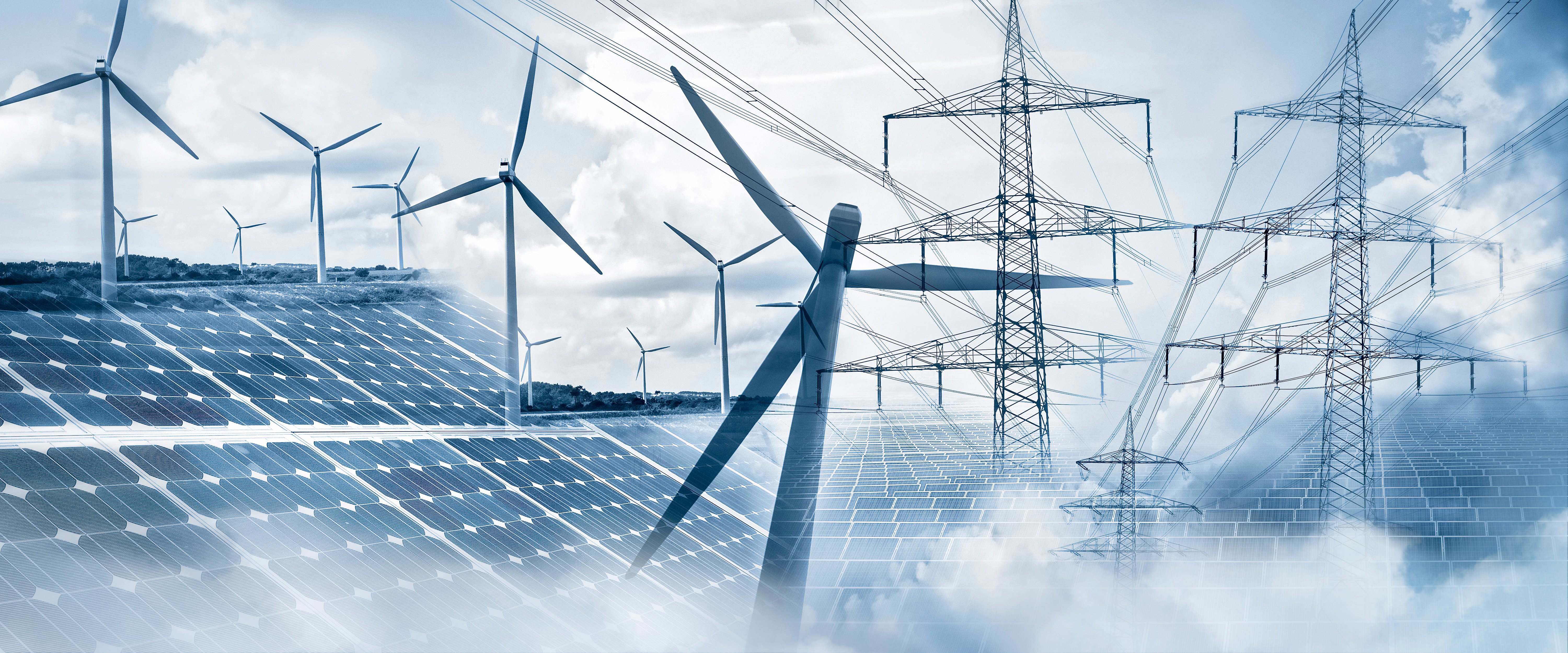
A New Priority in the Energy Transition: Strong Power Grids
Rising electricity demand increases the importance of resilient grids in the energy transition The growth of electric vehicles, data centers, industrial electrification, and renewable energy investments is driving global electricity demand upward every day. According to the International Energy Agency’s (IEA) Electricity 2026 report, global electricity demand is expected to grow approximately 50% faster over the next five years compared to the average growth rate of the previous decade. This increase is being driven by industry, electric vehicles, data centers, and cooling systems, bringing a new priority to energy systems: robust and future-ready electricity grids.
As the energy transition accelerates, electricity grids are becoming one of the most critical components of modern energy systems. The secure integration of renewable energy sources, the uninterrupted supply of growing electricity demand, and the maintenance of energy security can only be achieved not only through new generation investments but also through strong transmission and distribution infrastructures capable of transporting electricity safely, efficiently, and reliably. For this reason, grid infrastructure is becoming as strategically important as power generation investments in the energy transition.
The New Bottleneck in the Energy Transition: Grid Capacity
According to the IEA’s Electricity 2026 report, more than 2,500 GW of renewable energy, energy storage, and large-scale electricity consumption projects worldwide are currently awaiting grid connection due to insufficient transmission capacity. This situation demonstrates that one of the most significant challenges of the energy transition is no longer simply generating more energy, but strengthening the grid infrastructure required to deliver that energy to the system safely and without interruption. In other words, the pace of the energy transition is increasingly determined by the readiness of power grids rather than by generation capacity alone.
Growing Demand Accelerates Grid Investments
As electrification expands across transportation, industry, and buildings, the burden on transmission and distribution infrastructure continues to increase. According to the report, planning and completing new transmission lines can take between 5 and 15 years, while renewable energy projects can be commissioned in much shorter timeframes. This highlights grid investment as one of the most critical factors determining the speed of the energy transition. To ensure long-term energy security, it is essential that generation and grid investments progress simultaneously.
Digital and Flexible Grids Are the Key to Transformation
The IEA also emphasizes that the solution is not limited to building new transmission lines. Improving the efficiency and modernization of existing grids through digital technologies enables more effective use of existing capacity. Smart grid applications and digital infrastructure solutions facilitate the integration of renewable energy sources while increasing the resilience of energy systems. This allows existing infrastructure to be utilized more efficiently and enables better management of growing electricity demand.
The Energy System of the Future Requires Strong Infrastructure
The success of the energy transition depends on strong electricity grids capable of meeting rising demand, effectively integrating renewable energy resources, and supporting energy security. In this context, the technologies used in transmission and distribution infrastructures are among the fundamental building blocks of the transformation.
Achieving a successful energy transition requires infrastructure development to keep pace with energy generation investments. Türk Prysmian Kablo contributes to making electricity grids more reliable, efficient, and sustainable through its advanced cable technologies for transmission and distribution infrastructure. With technologies designed to support the strong infrastructure needed for the energy transition, the company continues to contribute to the development of the power grids of the future.
prysmian.investor_relations

Maria Cristina Bifulco
CHIEF SUSTAINABILITY OFFICER and GROUP INVESTOR RELATIONS DIRECTOR
- phone+39 02 6449.1
- email[email protected]
prysmian.media_relations

Jonathan Heywood
COMMUNICATION, PUBLIC AFFAIRS & MEDIA RELATIONS DIRECTOR
- phone+39.331.6573546
- email[email protected]